
Welcome to the real world of Nepali cuisine. It's a world that goes so much deeper than just the momos and dal bhat you might already know. The food of Nepal is a story told by its incredible geography—a delicious mix of hearty mountain staples from the high Himalayas, balanced traditions from the rolling mid-hills, and the spicy, vibrant flavors of the fertile Terai plains.
Discovering the Rich Flavors of Nepal
Think of Nepali food as a culinary crossroads. It’s where the bold flavors of South Asia meet the subtle influences of Central Asia, all shaped by centuries of trade, migration, and the simple necessity of living in such a diverse landscape. This isn't just one type of cooking; it's a collection of distinct food cultures that change dramatically as you travel from one region to the next.
At its core, Nepali dining is all about balance, fresh ingredients, and the joy of eating together. A traditional Nepali meal isn't built around one big main dish like you often see in the West. Instead, it’s a beautifully composed plate, an assembly of different dishes meant to create a complete, satisfying experience for both your palate and your body.
The Foundation of a Nepali Meal
Every typical Nepali meal is built with a purpose: to nourish you completely. That’s why you’ll almost always find a combination of key elements on your plate.
- Carbohydrates for Energy: Steamed rice (bhat) is the go-to, but in the higher hills, you'll find grains like millet or buckwheat porridge (dhido). This is the fuel.
- Protein for Strength: A comforting lentil soup, known as dal, is an absolute must. It's the primary protein source in a diet that's often naturally vegetarian.
- Vitamins and Minerals: Seasonal vegetable curries (tarkari) and uniquely Nepali fermented leafy greens (gundruk) pack in essential nutrients.
- Flavor and Spice: No meal is complete without achar, or pickles. These add a sharp, spicy, or sour kick that wakes up your taste buds and perfectly cuts through the richness of the other dishes.
There's a popular saying in Nepal: "Dal-Bhat Power 24 Hour." It perfectly captures the philosophy. This simple, balanced meal is what gives people the enduring energy for a hard day's work or a long trek through the mountains.
More Than Just a Meal
To really understand Nepali cuisine, you have to see how food is woven into the fabric of everyday life. It’s at the heart of every festival, religious ceremony, and social gathering.
You’ll find sweet, fish-shaped yomari dumplings made to celebrate the end of the rice harvest, and the crispy, ring-shaped sel roti bread fried up for the Tihar festival. Every dish has a reason for being, a story behind it.
As we go on, we'll get into the iconic dishes, explore regional specialties, and uncover the cultural heart of Nepal's food identity. Get ready to discover a world of flavor that’s comforting, complex, and deeply tied to the land—and see how we at MoMoMandu are bringing those authentic tastes right here to the Triangle.
The Historical Roots of Nepali Cuisine
To really get what Nepali food is all about, you have to rewind the clock. The flavors we love today didn't just pop up overnight; they were slow-cooked over centuries, seasoned by geography, trade, and a constant stir of cultural influences. Nepal’s unique character comes from its incredible location, tucked right between the culinary powerhouses of India and Tibet, with China not far beyond.
Think of it as a busy crossroads where ancient merchants and travelers met. It was a culinary intersection where ideas and ingredients from all over collided, mingled, and created something entirely new. This fusion is the very heart and soul of the cuisine of Nepal, setting it completely apart from its neighbors.
A Crossroads of Flavor
The legendary Silk Road and other ancient trade routes weren't just for moving silks and spices; they were superhighways for flavor. These paths were instrumental in shaping Nepal's food identity, bringing in new ingredients and cooking styles that local communities quickly adopted and made their own.
For example, spices from India, tea from China, and even apples from Central Asia all found their way into Nepal along these routes. Over time, these once-foreign ingredients became staples. This cultural give-and-take went on for generations, really hitting its stride during the Malla Dynasty from the 12th to the 18th century. This was a golden era, especially for the Newari community, who perfected unique dishes we still rave about today. You can take a deeper dive into this fascinating history over at kathmanducookingacademy.com.
This exchange created a fascinating blend of three distinct culinary worlds:
- Tibetan Influence: From the north came hearty, warming foods built for the high-altitude life. This brought in staples like barley, yak dairy, and the tradition of dumplings, which eventually became Nepal's iconic momos.
- Indian Influence: The south, especially the fertile Terai plains, gifted Nepal the art of using aromatic spices like cumin, coriander, turmeric, and chili. You can taste this influence in the rich curries (tarkari) and lentil soups (dal) that are the bedrock of most meals.
- Southeast Asian Touches: The connection here is more subtle, but you can see it in techniques like fermenting vegetables to create tangy pickles (gundruk), a nod to broader Asian food preservation traditions.
The Newari Culinary Artisans
You can't talk about Nepal's food history without giving a shout-out to the Newar people of the Kathmandu Valley. During the prosperous Malla Dynasty, the Newars developed what is easily one of the most sophisticated and complex cuisines in all of South Asia.
Newari cuisine is often called a "feast culture." It’s less about simple daily meals and more about elaborate, multi-course banquets (bhoj) rolled out for festivals and celebrations, some featuring over a dozen distinct dishes.
They are true masters of nose-to-tail cooking, using every part of the water buffalo (rae) in everything from savory sausages to spiced minced meat. But their genius isn't limited to meat; their vegetarian dishes and snacks are just as creative.
- Chatamari: Often called the "Nepali Pizza," this is a delicate rice flour crepe topped with minced meat, a cracked egg, or chopped vegetables.
- Yomari: A sweet, fish-shaped dumpling steamed from rice flour and filled with a rich molasses-like treat called chaku. It's a special dish made to celebrate the end of the harvest during the Yomari Punhi festival.
- Samay Baji: This is a spectacular ritual platter loaded with an assortment of delicacies—beaten rice (chiura), smoked meat, soybeans, pickles, and ginger. It's an incredible showcase of different textures and flavors all on one plate.
The story of Nepali cuisine is one of brilliant adaptation and innovation. It’s about welcoming the best from the world passing through and blending it with the incredible bounty of the local land. This rich history is exactly what makes every bite of Nepali food a journey through time and culture.
A Culinary Tour of Nepal's Diverse Regions
To really get a feel for Nepalese food, you have to imagine yourself traveling through the country. The cuisine isn't just one single thing; it’s a direct reflection of a landscape that shoots up from steamy jungles to the highest peaks on Earth. As you move from the snow-dusted Himalayas down to the lush, green plains of the Terai, the food changes just as dramatically as the view.
It's a story of making the most of what you have. What people cook is all about what the land gives them, and this has created incredibly distinct food cultures perfectly in tune with their surroundings. Let’s take a look at these delicious regional differences.
The High Himalayas: Food for Survival
Life gets tough above 8,000 feet, and the food up here is all about warmth, energy, and pure sustenance. In the high-altitude Himalayan region, the climate is unforgiving and the growing season is short. Because of this, the local diet is built around hardy, resilient ingredients that can handle the cold.
This is the home of yak milk, butter, and cheese, which provide crucial fats and protein. Hearty grains like barley, buckwheat, and millet are staples, often taking the place of rice.
- Tsampa: This is a true cornerstone of the Himalayan diet. It’s a roasted barley flour that can be mixed with the famous yak butter tea (suja) to form a nourishing, dough-like paste—it's an instant energy boost.
- Yak Milk and Cheese: From creamy yogurt to a hard, pungent cheese called chhurpi, yak dairy is a vital source of nutrition.
- Hearty Noodles and Stews: Nothing beats the mountain chill like Thukpa, a warming noodle soup filled with meat or vegetables.
The food here is simple, hearty, and deeply comforting. To get a better sense of these unique mountain flavors, you can dive deeper into what Himalayan food truly is in our detailed guide.
The Mid-Hills: A Symphony of Flavors
As we journey down into the temperate mid-hills, or the Pahadi region, the culinary world just opens up. This is the heartland of what many people think of as classic Nepali food. The fertile valleys, including the famous Kathmandu Valley, allow for a much wider variety of vegetables, legumes, and spices to grow.
This is where the quintessential Nepali meal, Dal-Bhat-Tarkari, is king. It’s a perfectly balanced plate of lentil soup, steamed rice, and seasonal vegetable curry, almost always served with tangy pickles (achar) and leafy greens (saag).
The mid-hills are also home to the incredibly complex cuisine of the Newar people. Newari food is famous for its depth and is woven into the fabric of festivals and celebrations, featuring everything from savory rice-flour crepes (Chatamari) to elaborate platters of smoked meats and spiced soybeans (Samay Baji).
The Terai Plains: A Spicy Southern Bounty
Finally, we descend to the southern Terai plains, a flat, tropical belt of land that borders India. You can taste the influence of Indian cooking here right away. There's a vibrant and generous use of fragrant spices, creating dishes that are often richer and spicier than what you’d find in the hills.
This region is Nepal’s breadbasket, producing tons of rice, wheat, and a dazzling array of fruits and vegetables. Flatbreads like roti and puri are common, and the curries are wonderfully aromatic with cumin, coriander, turmeric, and chili.
The infographic below shows just how central certain spices are to the cuisine of Nepal.
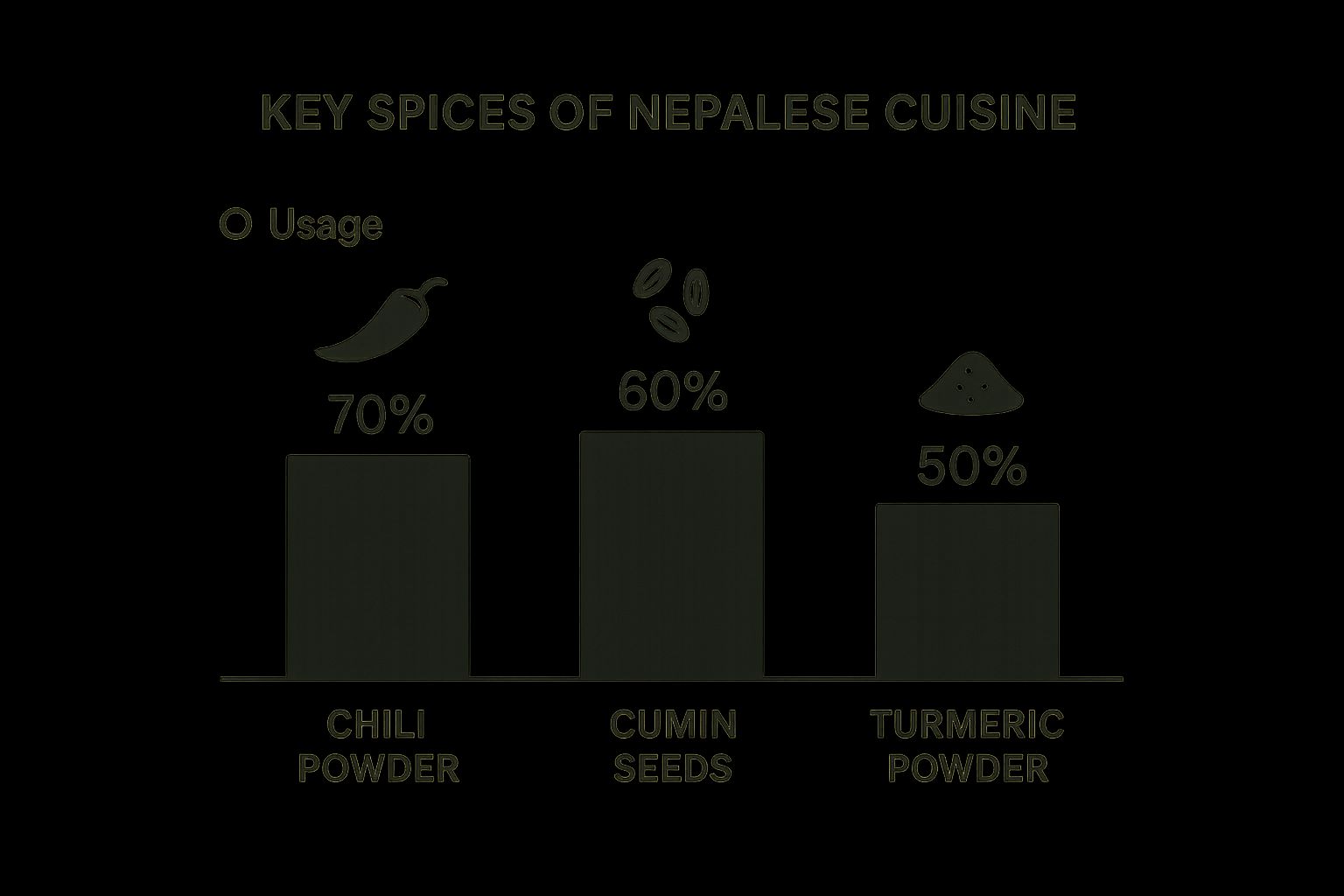
It’s pretty clear that chili powder is a dominant flavor, used in an incredible 70% of dishes. That really says something about the region's love for a bit of heat.
To bring it all together, here’s a quick look at how these regions compare.
A Taste of Nepal's Regional Specialties
| Region | Key Ingredients | Signature Dishes |
|---|---|---|
| Himalayas (Mountain) | Yak dairy, barley, buckwheat, millet, hardy root vegetables | Tsampa (roasted barley flour), Thukpa (noodle soup), Yak Cheese |
| Pahad (Mid-Hills) | Rice, lentils, wide variety of vegetables, ginger, garlic, turmeric | Dal-Bhat-Tarkari (the national meal), Momos, Newari specialties |
| Terai (Plains) | Rice, wheat, tropical fruits, fish, mustard oil, diverse spices | Roti/Puri, Tarkari (spicy vegetable curries), fish curries |
This table gives a snapshot of Nepal's culinary diversity, shaped entirely by its geography. From the hardy grains of the mountains to the spice-rich dishes of the plains, each region tells its own delicious story, contributing a unique chapter to the rich narrative of Nepali food.
Must-Try Dishes from the Heart of Nepal
To really understand Nepal, you have to taste it. Every dish tells a story—about the land, the people, and centuries of tradition. While the country’s culinary map is vast and varied, a few standout dishes are absolutely essential for anyone wanting an authentic experience. These are the meals that fuel the nation.
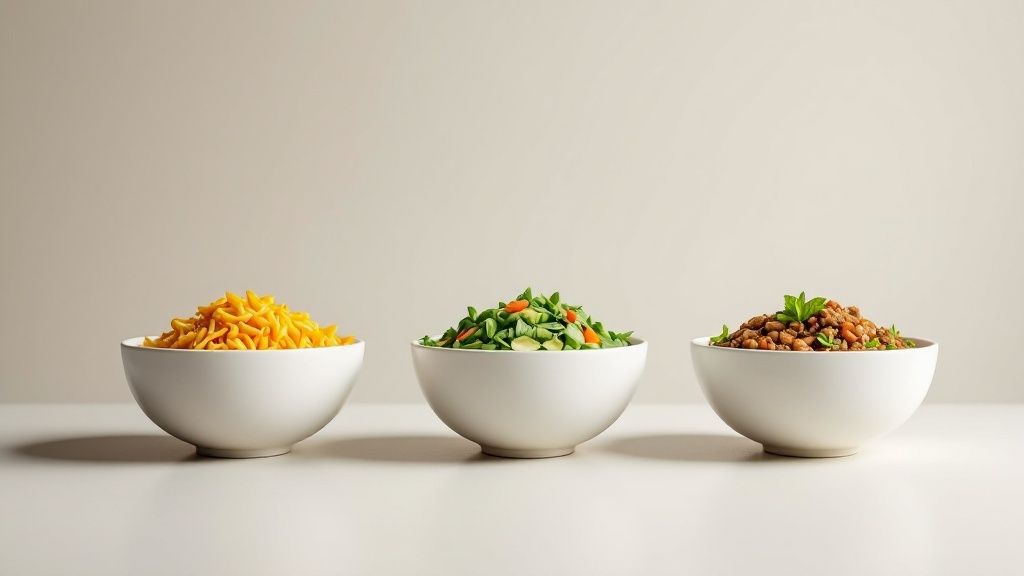
At the very top of that list is Dal-Bhat-Tarkari. It’s not just a dish; it’s a complete, perfectly balanced meal that is the heart and soul of Nepali dining. Millions of Nepalis eat it at least once, if not twice, every single day. The platter is a beautiful composition of steamed rice (bhat), a comforting lentil soup (dal), and a fragrant seasonal vegetable curry (tarkari), almost always served with a tangy pickle (achar).
The magic of Dal-Bhat-Tarkari is in its simplicity and harmony. You get carbs for energy from the rice, protein from the dal, and a world of flavor and vitamins from the tarkari. It’s a combination that's as nutritious as it is deeply satisfying.
The Beloved Dumplings of Nepal
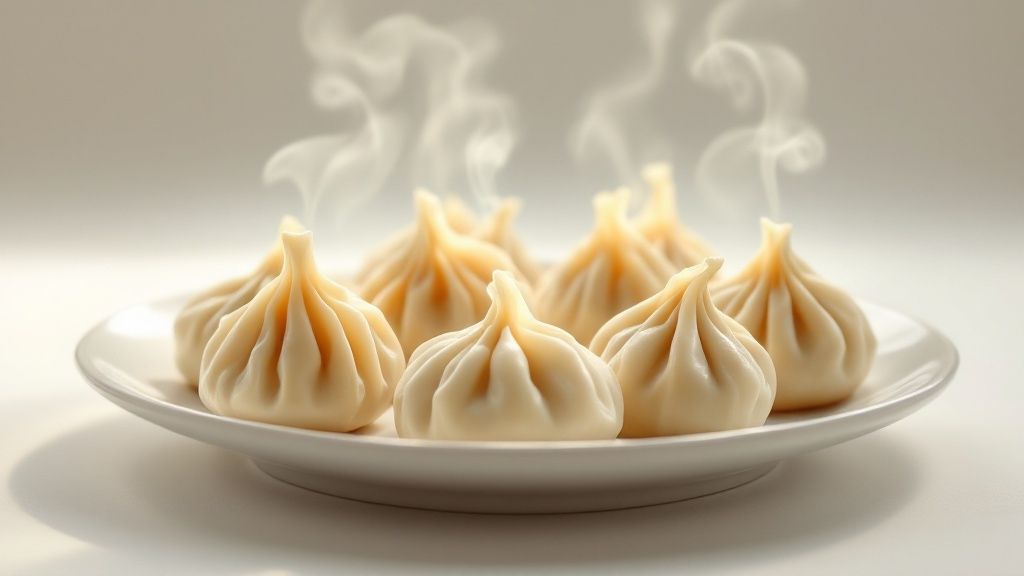
You can't talk about Nepali food without talking about MoMos. These aren't just dumplings; they're a national obsession. You’ll find them on practically every street corner in Kathmandu, a delicious sign of the cultural exchange between Nepal and its neighbor, Tibet. The original Tibetan dumpling has been completely embraced and transformed into something uniquely Nepali.
What makes our momos so special? It's all in the details. The fillings are versatile, from minced chicken and water buffalo to paneer and finely chopped vegetables, all seasoned with a fragrant mix of ginger, garlic, and coriander.
The real secret to a great momo, though, is the dipping sauce, or achar. It’s never an afterthought. This zesty, tomato-based sauce is often infused with timmur (Sichuan pepper), which gives it a signature tingling, spicy kick that perfectly cuts through the richness of the dumpling.
Momos come in all shapes and forms, each with its own personality:
- Steamed Momos: The timeless classic—soft, tender, and juicy.
- Kothey Momos: Pan-fried for the best of both worlds—a crispy bottom with a soft, steamed top.
- Chilli Momos (C. Momos): A fiery twist where fried momos are tossed in a spicy, sweet-and-sour sauce with bell peppers and onions.
- Jhol Momos: Steamed dumplings served swimming in a warm, tangy, soup-like sauce.
Perfecting these is an art, but it’s one you can try at home! If you're feeling adventurous, check out our guide on how to make momo and bring a little piece of Nepal into your own kitchen.
Festive Breads and Unique Delicacies
Beyond the everyday staples, Nepali cuisine truly comes alive during festivals. One of the most cherished treats is Sel Roti, a lightly sweet, ring-shaped bread made from rice flour. Crispy on the outside and wonderfully soft on the inside, it's a fixture during major celebrations like Tihar and Dashain.
Then there's Gundruk, a uniquely Nepali creation made by fermenting leafy green vegetables. It has a tangy, slightly sour flavor and is often cooked into a hearty soup that’s incredibly warming, especially in the cold mountain months.
For a taste of something truly special, keep an eye out for Yomari. This sweet, fish-shaped dumpling comes from the Newari community and is made from rice flour filled with a delicious mix of molasses and sesame seeds. It's traditionally made to celebrate the end of the rice harvest, symbolizing gratitude and new beginnings. Each of these dishes is more than just food—it's a delicious window into the soul of Nepali culture.
How Food Shapes Nepali Life and Culture
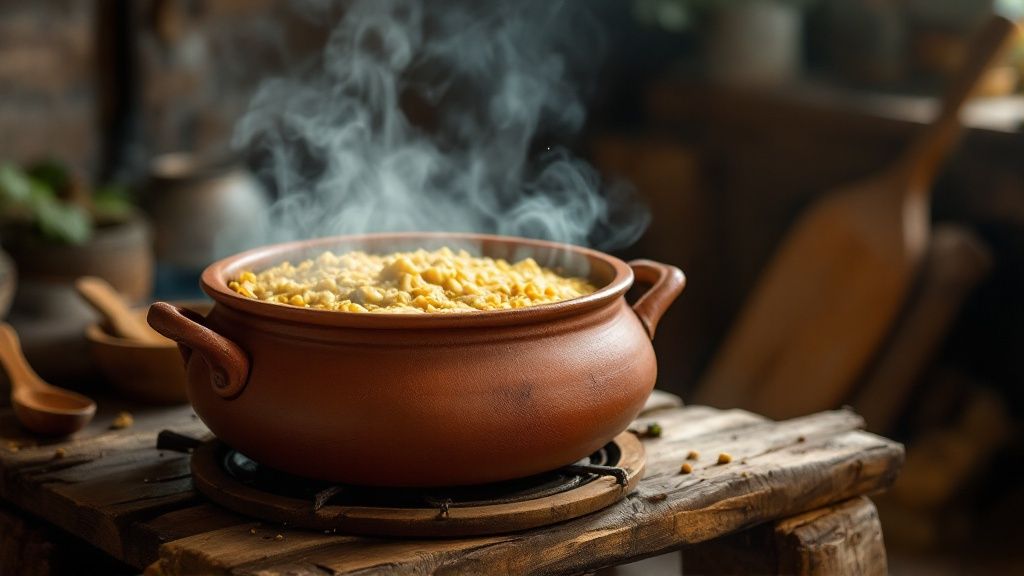
In Nepal, a meal is never just a meal. It's a ritual, a celebration, and a way to communicate respect, community, and devotion all at once. The cuisine of Nepal is woven so tightly into the fabric of daily life that to understand the food is to get a real glimpse into the culture itself. Every dish tells a story, shaped by centuries of tradition, religious beliefs, and the simple, profound act of sharing.
At the very core of Nepali dining is the concept of jutho, which is all about ritual purity. This idea guides everything from how food is cooked and served to how it’s eaten, placing a huge emphasis on respect. For example, once food has touched someone's lips or utensils, it’s considered jutho and isn't shared. That's why you'll almost never see Nepalis double-dip or take a bite from someone else's plate.
This extends to how a meal is enjoyed. Traditionally, Nepalis eat with their right hand, as the left is reserved for personal hygiene and considered impure for touching food. While guests aren't always expected to stick to this, understanding the idea behind jutho gives you a much deeper appreciation for the mindful, respectful attitude Nepalis bring to the table.
The Heartbeat of Every Festival
Nepali festivals are an incredible explosion of color, music, and—most importantly—flavor. Food isn't just part of the celebration; it is the celebration. Specific dishes are made for each occasion, and every one of them is loaded with symbolic meaning. During major festivals, kitchens are buzzing for days as entire communities come together to cook and share.
Two of the biggest festivals really show this connection:
- Dashain: This is a 15-day festival celebrating the victory of good over evil. It's a massive family affair, and the feasts are legendary. Meat, especially goat, is the star of the show. For many families, this is one of the few times all year they'll enjoy meat, so it's a truly special treat.
- Tihar: Known as the festival of lights, Tihar honors deities and animals like crows, dogs, and cows. Special food offerings are a daily ritual, but the festival is famous for Sel Roti. This is a crispy, ring-shaped bread made from rice flour, and its circular shape is said to represent the endless cycle of life.
The Sacred Offering of Prasad
Beyond the big festivals, food is central to religious worship every day. In both Hindu and Buddhist traditions, food offered to deities during a puja (worship ceremony) is called prasad. This offering is a direct line of communication with the divine.
After the food has been blessed by a deity, it is shared among the devotees. Eating prasad is considered a great honor, as it's believed to carry the divine grace and blessings of the god or goddess it was offered to.
This sacred exchange reinforces the idea that food is for spiritual nourishment, not just physical. The simple act of preparing and sharing prasad strengthens community bonds, turning a meal into a shared spiritual experience. From birth ceremonies and weddings to funerals, specific foods mark every milestone, making every single bite a connection to family, faith, and identity.
Your Questions About Nepali Cuisine Answered
Diving into a new culinary world is exciting, but it almost always sparks a few questions. The cuisine of Nepal, with its incredible diversity and unique flavors, is no different. You might be wondering just how spicy the food is, or how it stands apart from other famous South Asian cuisines.
We get it. That's why we’ve put together answers to some of the most common questions we hear. Think of this as your friendly guide to feeling confident and excited for your first—or next—Nepali meal. Let's clear up some myths and get straight to the delicious facts.
Is All Nepali Food Incredibly Spicy?
This is probably the number one question we get, and the answer is a refreshing no. While Nepali cooking absolutely celebrates a beautiful orchestra of aromatic spices like cumin, coriander, turmeric, and ginger, the real goal is to build deep, rich flavor, not just overwhelming heat.
Many dishes are actually quite mild and fragrant, focusing on a savory, comforting balance. The fire and heat usually come from a side dish called achar, which is a type of spicy pickle or relish. The best part? It's served separately, putting you completely in control. You can add as much or as little as you like to dial the heat up or down.
The philosophy behind a Nepali meal is achieving a harmonious balance of six key flavors: sweet, sour, salty, bitter, pungent, and astringent. Fiery heat is just one possible component, not the entire show.
Sure, some regional dishes, particularly from the southern Terai plains, can pack a punch. But the overall experience is far more about depth and aroma than just chili heat—a common misconception that keeps too many people from trying this amazing food.
How Is Nepali Food Different from Indian Food?
That's a fantastic question. The two cuisines share a border and some common spices, so it’s easy to see why people ask. But they are distinctly different. Think of them as cousins rather than twins; you can see the family resemblance, but each has a completely unique personality.
The biggest difference comes down to influence. Indian cuisine is vast and diverse on its own, but Nepali food takes those South Asian spice traditions and blends them with distinct culinary ideas from Tibet and China to the north. This fusion creates a unique identity you won't find anywhere else.
Here’s a quick look at what sets them apart:
- Spice Profile: Nepali cooking often uses a more subtle and nuanced blend of spices. While many Indian curries are rich and creamy, Nepali curries are typically lighter and more broth-based, focusing on the clean, bright flavors of ginger, garlic, cumin, and coriander.
- Unique Ingredients: The cuisine of Nepal features some truly special ingredients. Jimbu, a dried Himalayan herb, adds a delicate onion-garlic flavor to lentil soups, while timmur (Sichuan pepper) provides a signature tingling sensation in pickles and sauces.
- Tibetan Influence: Dishes like Momos (dumplings) and Thukpa (noodle soup) are absolute staples in Nepal but have their roots in Tibet. This influence brings a heartier, more rustic element to the table that you won't typically find in mainstream Indian restaurants.
Are There Good Vegetarian Options?
Absolutely! In fact, Nepali cuisine is a true paradise for vegetarians. A large portion of the population follows Hindu traditions that favor plant-based diets, so vegetarian dishes aren't just an afterthought—they are the very heart of the cuisine.
The national meal itself, Dal-Bhat-Tarkari, is the perfect example. It's a nourishing and complete vegetarian platter of lentil soup, fluffy rice, and a seasonal vegetable curry that literally fuels the nation. The variety is just incredible, from simple stir-fried greens (saag) to a complex nine-bean soup (kwati).
You'll find an abundance of delicious choices, including:
- Vegetable Tarkari: An endless variety of seasonal vegetable curries, from potato and cauliflower to pumpkin and green beans.
- Paneer Dishes: This firm, non-melting cheese is used in delicious curries and is a popular filling for momos.
- Dhido: A traditional and highly nutritious porridge made from buckwheat or millet flour, often served with vegetable curries or a tangy gundruk soup.
What Does "Dal-Bhat Power 24 Hour" Mean?
You'll hear this cheerful phrase everywhere in Nepal, from the bustling city streets of Kathmandu to remote mountain trails. "Dal-Bhat Power 24 Hour" is a popular slogan that lovingly celebrates the national dish, Dal-Bhat-Tarkari.
It’s a fun, catchy way of saying this meal provides sustained, long-lasting energy ("power") for a full day ("24 hour") of hard work or trekking. The phrase perfectly captures the role of this meal as the fundamental, life-sustaining force in Nepali culture. For a deeper look into the world of Nepali food, our tag page offers a collection of related posts.
This simple yet perfectly balanced combination of carbohydrates (rice), protein (lentils), and vitamins (vegetables) is the ultimate fuel. So when you hear someone say it, you know it’s a heartfelt tribute to the simple, powerful meal that keeps Nepal moving.
Ready to taste the authentic flavors that power Nepal? At MoMoMandu, we bring these delicious traditions right to you. Track our food truck schedule online and come find us for a plate of handcrafted Momos or a satisfying Himalayan meal. Discover your new favorite dish at https://momomandunc.com.
Article created using Outrank